Window Education

When Should You Replace Your Windows?

The honest signs a window is done, what it's costing you in the meantime, and how to decide between repair and replacement in Springfield, MO.

How a Window Wears Out

A window is a system: glass, seals, sash, frame, hardware, and the sealed installation around it all have to work together. Windows rarely fail all at once. Instead, seals age and let the insulating gas escape, weatherstripping compresses and lets drafts through, moving parts wear until sashes stick, and frames, especially wood, absorb moisture and begin to soften.

Because the decline is gradual, most homeowners normalize it. The room that's always cold in January, the window nobody opens because it fights back, the fog between panes you stopped noticing: each one is a window that has quietly stopped doing its job.

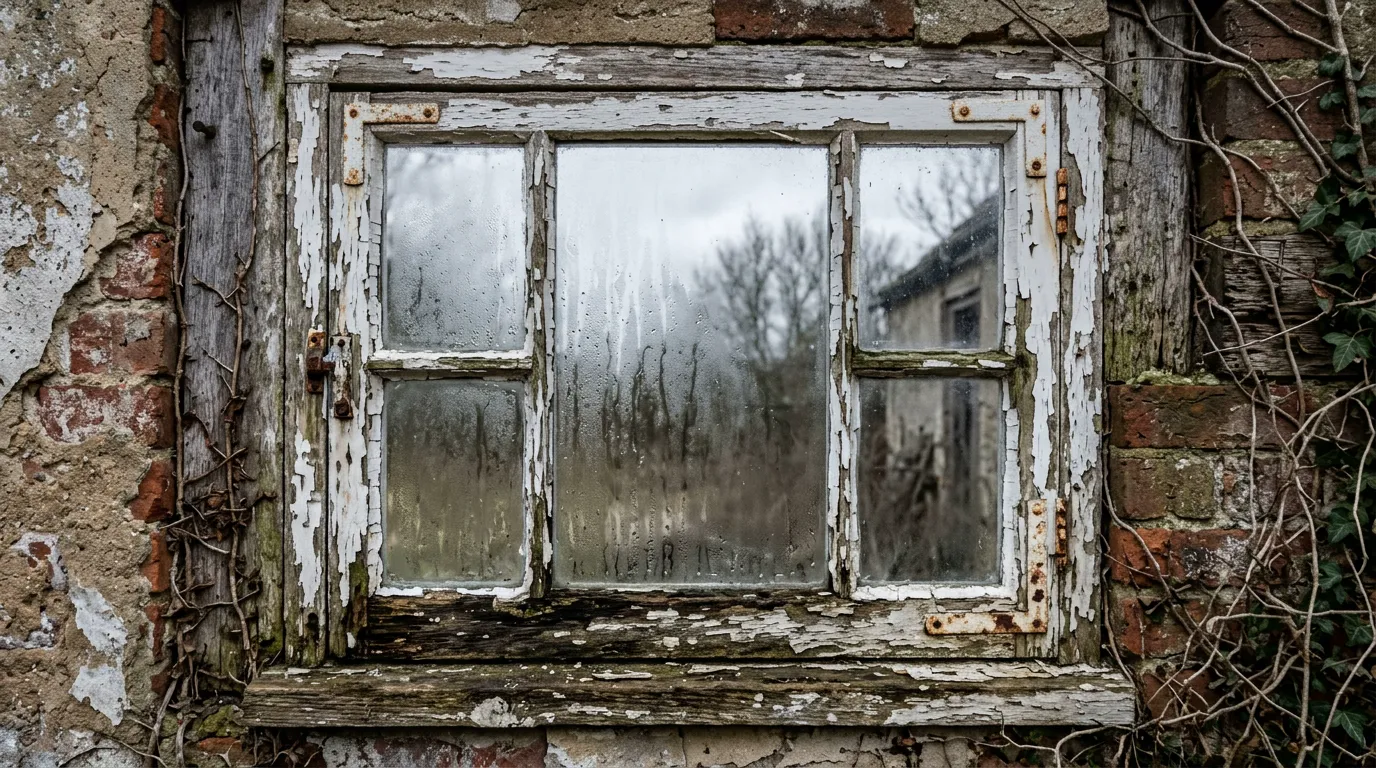
Old single-pane wood window with failing seals, condensation, and peeling paint

The Clear Signs a Window Is Done

Fog, condensation, or a milky haze between the panes means the insulated glass unit's seal has failed and its insulating value is permanently gone. Soft, spongy, or visibly rotting frame material means water has gotten where it shouldn't. Sashes that won't stay open, locks that won't line up, and frames out of square enough to see are mechanical failures that rarely justify repair on an aging unit.

Drafts you can feel on a windy day, and rooms that are consistently harder to heat and cool than the rest of the house, complete the picture. One of these signs might justify a repair. Several together on a decades-old window almost always point to replacement.

What Failing Windows Cost You

Heating and cooling is the largest energy expense in most homes, and windows are one of the main places that conditioned air escapes. Single-pane windows and failed double-pane units leak heat out all winter and let heat pour in all summer, which the Southwest Missouri climate makes expensive in both directions.

The costs beyond the utility bill are real too: rooms you avoid in summer or winter, furniture and floors faded by unfiltered UV, outside noise, and the security of aging locks and brittle glass. None of these show up on a bill, but they're part of what replacement actually buys back.

Repair or Replace?

Repair makes sense when the window is fundamentally sound: a broken lock on a healthy window, a worn strip of weatherstripping, a single cracked pane in an otherwise good unit. Replacement makes sense when the failure is in the sealed glass unit or the frame itself, or when the window is old enough that fixing one failure just buys time until the next.

An honest assessment looks at each window individually. In many homes the right answer is replacing the six windows that are genuinely done and leaving the rest alone, and a company that quotes all fifteen without making that distinction is telling you something about how they work.

Deciding for a Springfield Home

In the Springfield area, the climate swing between humid summer heat and winter cold means underperforming windows cost money year-round, not just one season. That makes the payback on replacing genuinely failed windows better here than in milder climates.

The right sequence is simple: get an honest assessment of what's failing and what it's costing you, decide with real numbers in hand, and have the replacements installed properly so they deliver what the label promises. That's the entire model Springfield Window Replacement is built on.

Get an Honest Window Assessment

Find out which windows are costing you money, and which ones are fine.

Call (417) 545-3647   Request a Free Estimate

Free, no-obligation estimate